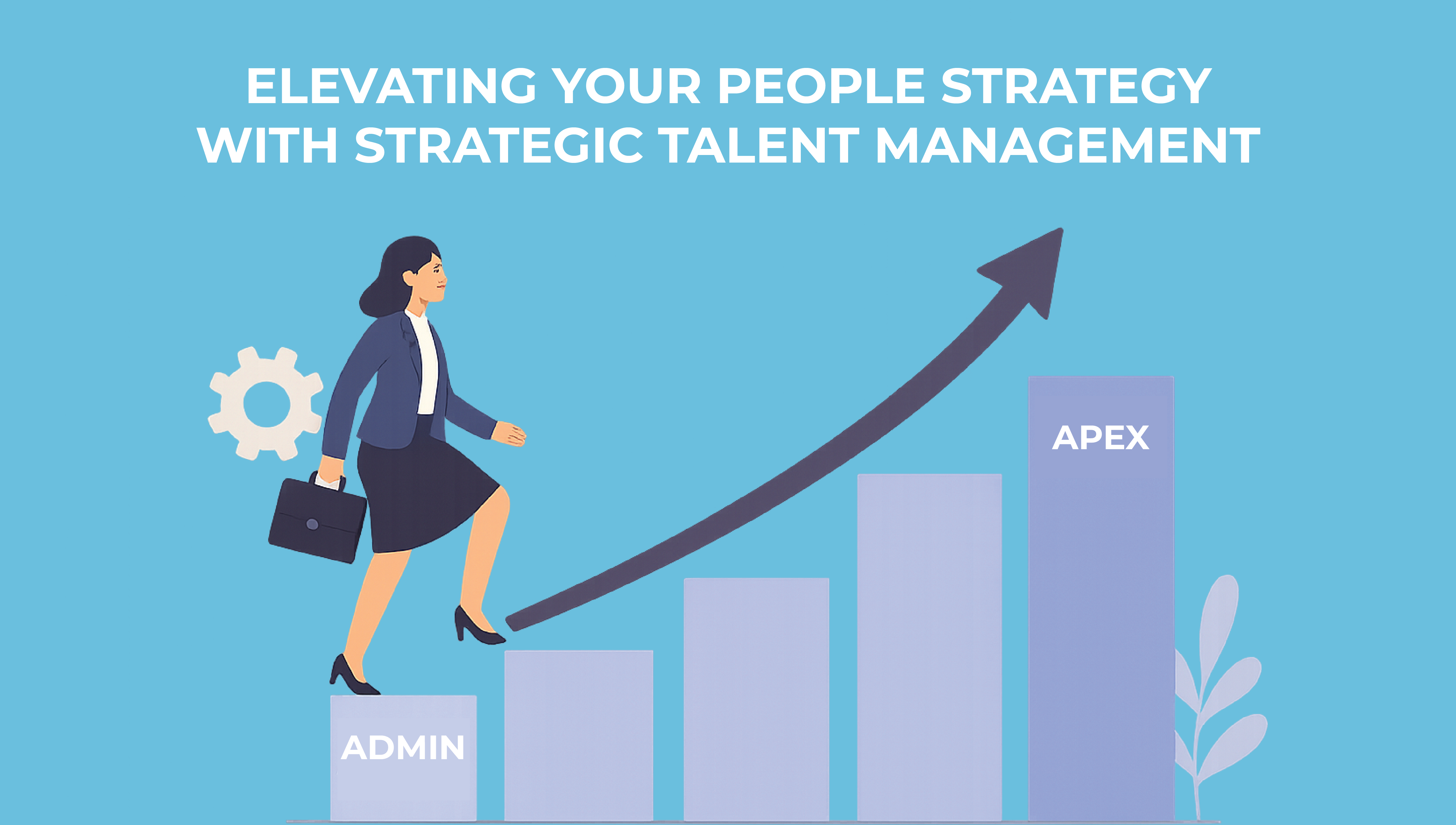
In a business landscape defined by constant disruption, a company’s greatest asset isn’t its technology or capital, it’s all about the people. While traditional HR focused on administrative tasks, modern organizations are shifting to a strategic talent management model, viewing their workforce as the engine of business growth. A well executed talent strategy attracts, develops, and retains the high-performing employees necessary to achieve long-term objectives and gain a sustainable competitive edge.
For HR professionals, this means moving beyond reactive hiring and annual reviews to proactively shaping the future of the workforce. Here’s how you can elevate your people strategy from administrative to strategic.
Phase 1: Understand the destination (Aligning talent with business strategy)
Effective talent management starts with a clear understanding of the company’s strategic goals. This isn’t just about filling open positions; it’s about anticipating future needs and building the workforce to meet them.
- Conduct a skills gap analysis: Work with leadership to identify the skills your company will need in the next 3-5 years. The rise of AI and new technologies means many of today’s critical skills will be obsolete tomorrow, and new ones will emerge.
- Create a workforce plan: Use your skills gap analysis to forecast future talent needs. Will you need more data scientists, cybersecurity experts, or leaders with emotional intelligence? Plan for new roles and the training needed to prepare existing employees.
- Align with business goals: Translate your company’s mission into talent objectives. For a growth-focused business, this means targeting innovative, agile talent. For a company focused on customer experience, it means prioritizing strong communication and problem-solving skills in new hires and existing staff.
Phase 2: Build the foundation (Acquisition, onboarding, and culture)
Your strategic vision is only as strong as the people you bring in and how you integrate them into your organization.
- Refine your employer value proposition (EVP): What makes your company a great place to work? Beyond salary, highlight your company’s mission, culture, and growth opportunities. Your EVP is your brand and can be a powerful tool for attracting top talent.
- Shift to skills-based hiring: Look beyond traditional degrees and focus on candidates with demonstrable skills and competencies. This broadens your talent pool and creates a more equitable hiring process.
- Perfect the onboarding experience: Onboarding is no longer just paperwork. A well-structured onboarding process immerses new hires in the company’s culture and provides the tools they need to succeed from day one. Good onboarding boosts retention and reduces the time it takes for new hires to reach full productivity.
- Cultivate a high-performance culture: Foster a culture of excellence by tying talent strategy to performance. Promote continuous feedback, recognize employee success, and celebrate achievements to motivate and engage your team.
Phase 3: Unleash the potential (Development and engagement)
A strategic talent strategy understands that retaining top talent is more cost-effective than constantly recruiting new hires. The focus shifts to empowering your people to reach their full potential.
- Embrace personalized development: Move away from one-size-fits-all training. Use technology and data analytics to create personalized learning paths that align with individual career aspirations and business needs. This can involve micro-learning modules, mentorship programs, or cross-functional projects.
- Invest in internal talent marketplaces: Create a transparent internal system that allows employees to move laterally or take on new projects based on their skills and interests. This boosts employee mobility and engagement while providing the company with an agile and adaptable workforce.
- Transform performance management: Replace outdated annual reviews with continuous feedback and coaching. This ongoing dialogue allows managers to identify and address skill gaps in real-time, accelerating individual and team growth.
- Empower managers as coaches: Equip managers with the skills to be more than just supervisors. Training them in emotional intelligence, communication, and coaching enables them to have empathetic conversations and build trust with their teams, a vital skill in a hybrid and modern work environment.
Phase 4: Protect the investment (Retention and succession)
Your people are valuable. A strategic approach protects this investment and ensures business continuity.
- Prioritize succession planning: Identify high-potential employees and create clear development paths for them to step into critical leadership roles. This reduces disruptions when key positions become vacant and shows employees you are invested in their future.
- Use data to prevent turnover: Leverage people analytics to spot early warning signs of disengagement. By tracking metrics like engagement scores and departure patterns, HR can proactively address issues before top talent leaves.
- Nurture employee well-being: The post pandemic workforce expects more support for mental and emotional well-being. Invest in resources and programs that prioritize employee wellness to combat burnout and build a resilient workforce.
- Create an alumni network: Even when employees leave, they remain valuable. Foster a positive offboarding experience and consider an alumni program to tap into returning talent, referrals, and brand advocacy.
Strategic talent management in action
By embracing a strategic talent management mindset, HR becomes a forward thinking business partner, not just a department. This holistic, data driven approach positions your company to attract the best people, foster innovation, and navigate the complexities of the modern business world. Investing in your people isn’t just a cost, it’s the smartest investment you can make for sustained success.