

 June 11, 2026
  4 mins to read
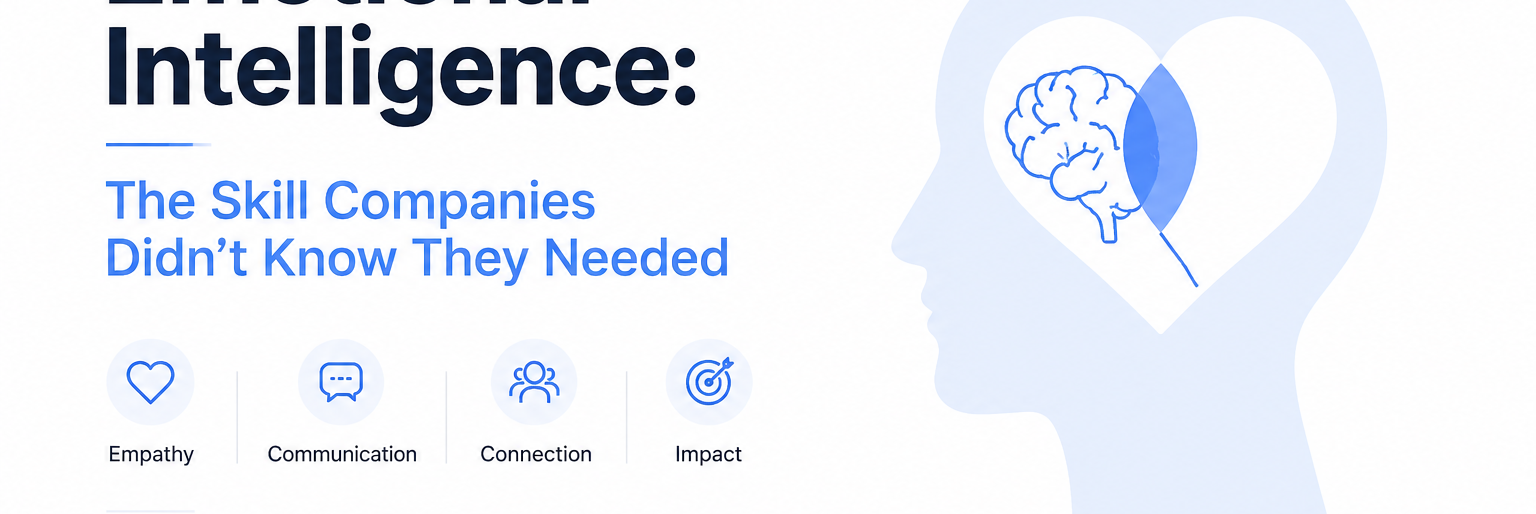
 In today’s workplaces, technical skills alone are no longer enough. Companies are beginning to realize that the real differentiator, the quality that sets high-performing teams apart is Emotional Intelligence (EI). For years, emotional intelligence was seen as a “soft skill,” something optional. But in 2025, with rising workplace pressure, hybrid teams, and an evolving workforce, Emotional Intelligence has become a critical business asset.
At Reach HR Solutions, we see a clear shift: companies are now actively looking for emotionally intelligent employees, leaders, and managers. But many aren’t sure why it matters or how it directly impacts performance.
This blog explores why Emotional Intelligence is becoming a top priority (even more than IQ), and why companies can’t ignore it anymore.
What Exactly Is Emotional Intelligence?
Emotional Intelligence is the ability to:
- Understand your own emotions
- Manage your emotions under pressure
- Recognize others’ emotions
- Communicate clearly
- Handle conflict calmly
- Build strong relationships
In simple words:
It’s the skill of using emotions wisely not letting emotions use you.
Why Emotional Intelligence Suddenly Matters So Much in Companies
1. Workplaces Have Become More Stressful
Tight deadlines, constant change, and digital overload mean employees who can manage stress without breaking down are more valuable than ever.
2. Teamwork Depends on Good Communication
Teams today work across departments, locations, and even time zones. Those who can communicate effectively without misunderstanding strengthen collaboration.
3. Emotional Intelligence Reduces Conflict and Miscommunication
Most workplace problems arise not from lack of skill, but from lack of understanding. Higher emotional intelligence means fewer arguments, clearer discussions, and more productive meetings.
4. Emotionally Intelligent Leaders Inspire Better Performance
A manager with high emotional intelligence creates trust, motivates the team, and resolves issues calmly. Companies have realized:
People don’t leave jobs, they leave emotionally unintelligent leaders.
5. Customer Experience Depends on Empathy
In customer-facing roles, empathy determines whether a client feels heard or ignored. EQ can turn one time customers into loyal brand ambassadors.
How Emotional Intelligence Improves Company Performance (Real Business Benefits)
Businesses that prioritize Emotional Intelligence experience:
- Higher employee engagement
- Better team collaboration
- Lower turnover rates
- Improved customer satisfaction
- Stronger company culture
- Increased productivity
In other words, emotional intelligence is not just a soft skill, it’s a profit-driving skill.
The 5 Pillars of Emotional Intelligence
To understand emotional intelligence, companies focus on these core areas:
1. Self-Awareness
Knowing your strengths, weaknesses, and emotional triggers.
2. Self-Regulation
Staying calm under pressure, managing reactions, and thinking before acting.
3. Motivation
A natural drive to perform well, stay positive, and focus on goals.
4. Empathy
Understanding what others feel and responding appropriately.
5. Social Skills
Communicating clearly, resolving conflicts, building strong connections.
These pillars form the foundation of effective leadership and teamwork.
Why HR Is Prioritizing Emotional Intelligence in Recruitment
Traditional hiring focused heavily on degrees and experience. But now recruiters—especially at Reach HR Solutions look for attributes like:
- Adaptability
- Problem-solving under pressure
- Attitude and communication
- Team behavior
- Leadership potential
- Emotional maturity
Because companies realized:
It’s easier to train someone technically than to fix a bad attitude.
EQ is now used as a deciding factor when choosing between two technically similar candidates.
Can Emotional Intelligence Be Trained? Yes.
The best part? Emotional Intelligence is not fixed. It can be developed with the right guidance and training.
Through workshops, coaching, and team exercises, employees can learn to:
- Communicate better
- Listen actively
- Handle difficult conversations
- Manage stress effectively
- Work better in teams
- Become stronger leaders
At Reach HR Solutions, emotional intelligence training has become one of the most requested programs from Nepali organizations.
The Future of Work Will Belong to the Emotionally Intelligent
As automation and AI continue to grow, emotional skills will become even more valuable. Machines can analyze data but they cannot connect, understand emotions, or build relationships.
That’s why the future workplace will reward people who are:
- Adaptable
- Empathetic
- Calm under pressure
- Great communicators
- Collaborative
- Positive thinkers
Companies are finally realizing that emotional skills are just as critical as technical skills.
Final Thoughts
The biggest shift happening today is not technological, it’s emotional. Companies finally understand that success comes from people who can manage themselves and work well with others.
Emotional Intelligence is the superpower of modern professionals.
At Reach HR Solutions, we are committed to helping companies build emotionally intelligent teams and helping individuals develop the soft skills that truly matter.
Leave a Comment